Do you set personal goals every year? Then look back on them?
This is more of a random blog, from what I have recently posted, it’s a follow up to what I wrote exactly 11 months ago to this date in my blog, defining my personal goals for 2017 which came to mind again this evening, ironically, thinking about 2018. It felt good to look at the goals I wrote a year ago and realize that I accomplished 95% of what I intended to do a year ago. But from my perspective now, my goals could use a little elevation..more like a lot more elevation from 2017! I guess that’s what growth is all about. Last year at this time, those goals were what I needed in my life, a year ago, but now it’s time to grow/push harder/further, make the goals more meaningful. I think I gave myself the easy/feel good stuff to accomplish last year; not something that truly challenges me, it was more of a focus on quality of life; I certainly accomplished that, 2017 has been a year of fun and entertainment.
2018, for me, needs to be better though, a year with elevated goals; this is a little scary because results will be exposed at the end of the year once the goals are stated. The things that matter to me haven’t changed, and I believe that we all need to make time for what matters in our lives, so I will continue incorporating time for these:
Faith | Family | Friends | Music | Outdoors | Travel | Architecture/Interior Design/Fashion | Health/Fitness | Personal Improvement
But for next year, the following needs more focus, here are my 2018 goals:
Increase the amount of “giving back”
Improve in providing value/service to others
Maintain consistency
It’s interesting looking back on a blog, especially when it’s about personal improvement, maybe I shouldn’t post this stuff!?
Have you ever heard how “The Universe keeps giving us lessons until we learn the lesson”? Well I guess I needed a lot of lessons to develop patience, but thankfully I made progress; it just took a long time! This past year, I kept realizing what little patience I had, but wanting to become more patient. And while I wasn’t intentionally working on becoming patient, the experiences I had throughout my life taught me to become more patient. These are my realizations about what I learned from experiences:
Simply described, I realized that becoming patient is achieved by practicing LETTING GO! I found becoming patient requires…
…letting go of:
Forcing anything– Patience is letting things happen naturally, slowly over time; this removes stress and adds peacefulness to our lives when we realize forcing something into our ideal time frame really doesn’t work. Sometimes it’s as simple as letting time pass; some things naturally work out on their own over time.
Mistakes: – keep improving when we mess up or life gets messed up, hit reset…a new beginning! It’s okay to keep starting over when something doesn’t work, it’s not permanent failure, it’s only temporary failure! Patience lets us accept our mistakes and try again. Each time we try again, we develop our patience and have another opportunity for success.
Expectations of Others – this is out of our control anyway, so practice patience with others, don’t fit them into “our box”, “our way of thinking”, “our way of acting”: everyone is different, let go of expectations and let it happen as it is (Having patience with others will bring us peacefulness: when we have no expectations; there is no let down) Others are who they are- accept them “as is” work with them as they are.
The future – we are not guaranteed a future. All we have is our time, here and now. We need to have goals or we will never accomplish anything in life and wander aimlessly, but this is about being present in the moment doing what we need today to reach our goals, pay attention to what is happening in our lives at the moment, don’t overthink the future, we don’t know the future and can’t predict it. Patience lets the future unfold as it is intended and the future is more greatly affected by what effort we put in today anyway.
Seriousness– it’s great to laugh as often as possible; we need laughter to help get through being patient when things take time and frustrate us!
ONLY celebrating first place wins, acknowledge that second place is progress, celebrating the journey and the small wins along the way keeps positive motivation flowing. Recognizing small wins develops patience and the dedication needed for the big wins.
The way we think it should be – change happens and we need to adjust ourselves to address the changes we experience; there is more than one way to do things.
The past – let go of the past, something that didn’t work, didn’t work out for us: never settle. Never settling requires patience because it takes awhile before we find what is best for us.
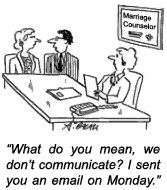
Isn’t that the truth? Besides golfing, communication is something none of us fully master, yet it is such a powerful tool, if we improve our skills! Effective communication can rocket us to success or plummet us to a crash landing in our business or personal lives. And the key to successful communication is understanding, to the best of our abilities, the audience or other person first. This obviously takes time, so if we don’t invest the time first, there is a very good chance that our communication won’t be on target and may not be successful.
CRASH LANDING
Sometimes we get so wrapped up with what is happening in our own business, life, relationships, world, etc. that we focus on ourselves instead of the audience when communicating. We speak from our perspective, not from the audience’s perspective. It’s easy to speak from our perspective because that is what we know, but it can be so much more effective if we take the time to get to know our audience, and speak from their perspective, in a way that they can best understand us and obtain value from us, actually hear and listen to what we have to say.
Another hindrance to communication is fear. Fear of the unknown, the outcome, etc. Fear is a big problem, a huge deterrent in effective communication and acting out of fear produces regrets. Facing fear brings rewards: success, honesty, understanding and maybe even new ideas, collaboration?
Being overly scheduled, committed, worked, not enough time, etc. also hinders effective communication. This is probably something we can all relate to, but if your audience is a priority and important to you, show it by taking the time needed to communicate, because you may loose your “priority” person, client, etc. if you don’t make time.
Interrupting is another way to have a “crash landing” in communication. If we interrupt, we are not listening, we are talking and we can’t do both effectively. Besides that interrupting is disrespectful and tells the other person what we have to say is more important than what they are saying; obviously this doesn’t “win any friends” for us.
SUCCESSFUL COMMUNICATION
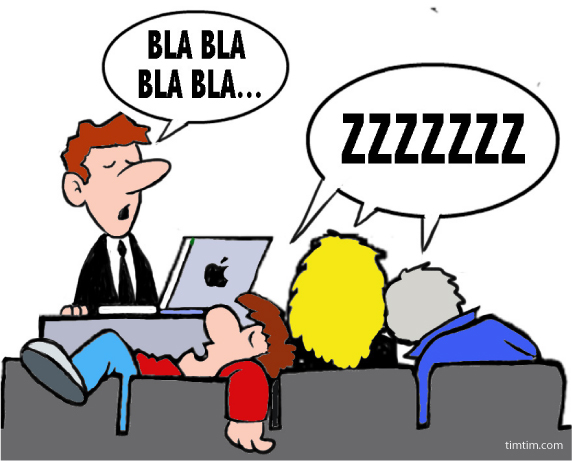
Oddly, successful communication isn’t as much about talking, it is more about listening first and foremost! We all know that feeling when someone is either engaged with what we are saying or they are in “la la land” thinking about something else; it’s easy to see. If we are rushed, then we aren’t taking the time to listen, it’s better to slow down and focus on being mindfully present, not somewhere in the future on to the next event. Time is precious, valuable and limited, so when we have it, it’s best to take advantage of it and make it count or we’ve wasted time.
‘When I first started working here, I thought our boss would be a good listener. But, that hasn’t been the case.’
Personally, I believe that successful communication involves honesty. Most people can intuitively spot honesty and dishonesty even though we may not say anything. If we are not being honest, there is a very good chance that the audience knows it, even if they don’t show it or “call us out” on it; and eventually truths become evident, so it’s just a matter of time. Again, it’s wasted time if we are not honest; both our time and their time. No one benefits and the dishonest person ruins his or her reputation in the process too.
Successful communication involves being prepared, organized, thought through in advance. Spontaneous communication sometimes misses some elements if we did not think it through in advance.
If we all work towards getting better at this:
Get to know the audience
Communicate from the audience’s perspective
Face and overcome our fear
Make time for communication, don’t do it when we are rushed
Don’t interrupt
Listen first, then respond
Be honest
Prepare and organize our thoughts first before communicating
Then we will be better communicators and avoid some stress in life!
We’ve all been there, on both sides, the giving or the receiving of a certain kind of “help” and I bet we can all relate to the frustrations that accompany it too. Beginning as a toddler, we often hear “I do it” from them; and that doesn’t seem to change with age either, we all still want to do it. We generally don’t look for help, because if we look for help, that damages our egos. So then, when help is offered, we reject the help.
THE GIVING SIDE- OFFERING HELP
Avoiding frustration is easy if we recognize that we can’t change anyone but ourselves. We often think that “our way” is the better way to do something, but is it? We all learn from others because each person has unique qualities, strengths, talents and gifts; so “our way” isn’t necessarily the best. We can offer resources so the person can help themselves, if they want it. The resources allow the person to help themselves and build confidence by accomplishing something on their own. So don’t be frustrated if someone doesn’t accept help, understand that is a possibility before we offer it and accept that first, before offering help.
THE RECEIVING SIDE OF HELP
When someone offers “help” we need to be honest with ourselves and decide whether we really need “help” and if we do, then we need to take action. We were not born “all knowing”; we need accept that we are “life learners”. There is always something new to learn in life, it never stops. We learn from people of all walks of life, different cultures, ages, education, etc. there are no rules: old can learn from young and young can learn from old, the rich can learn from the poor and the poor can learn from the rich, basically anything opposite gives us a learning opportunity. We learn from experiences and we all have different life experiences, so we all learn from each other.
If we accept help, then we need to remember that what we do with the help/the resource we receive is up to us. Our future success or failure is our responsibility and depends on how we take action or inaction. There is no one but ourselves who is responsible for our success in life. There are people who are tremendously successful who will be the first to say “I’m not the brightest, but I was able to get bright people to help me” and then created massive success. So in the public eye, the “not so bright person” ends up being the genius!
RELATIONSHIPS WITH OTHERS and “HELP”
We will all save ourselves time, frustration and pain if we remember to:
Accept people as we are; don’t expect change, it typically doesn’t happen.
Be authentic, be true, don’t pretend to be someone we are not, don’t ever change to “fit in”; only change if it is important to ourselves and our values in life.
Someone sent me a message today that made me stop and think: The message started with a personal reflection from the sender, then said: “I’m not sending this to you because I think you are self-absorbed, I’m sending it to you because I think we all need a reminder of 2 things,” the message had an uplifting video link and shared the thought of living a “fulfilled life” by:
helping others selflessly and
taking risks to live life full, with no regrets.
My initial thought was: “Yeah, I completely ascribe to that!” But seriously, would any of you just dismiss the “self-absorbed” part of the message? Not me! I pay attention to what people say and it made me reflect. Ugh, I didn’t like my self-reflection, when I reflected! I looked at my social media accounts (blog, Instagram, Facebook, Twitter, etc.) and what I’ve posted. Yes, I hope that sharing my thoughts, experiences and stories might help others, but it seriously appears self-absorbed! And quite honestly, it has been. The past year has been a deep reflection period for me and writing was a release of what was in my thoughts, trying to clear my head. But who cares about that?! Well, if it helps someone, then it’s worthwhile, but if it’s not helping anyone, no one cares about that stuff! It’s kind of like an online journal. Seriously!
This led me to recognizing an analogy between periods in our lives and the seasons of the year; we each have our own seasons in life; just like the year. Our “seasons” in life are based on what is happening in our individual lives (and that timing is unique to each person’s circumstances), the person we portray at that time depends on the season we are in, but isn’t the complete picture of someone:
Our “Winter Season”
…consists of self-reflection or sadness – “the hibernation time”
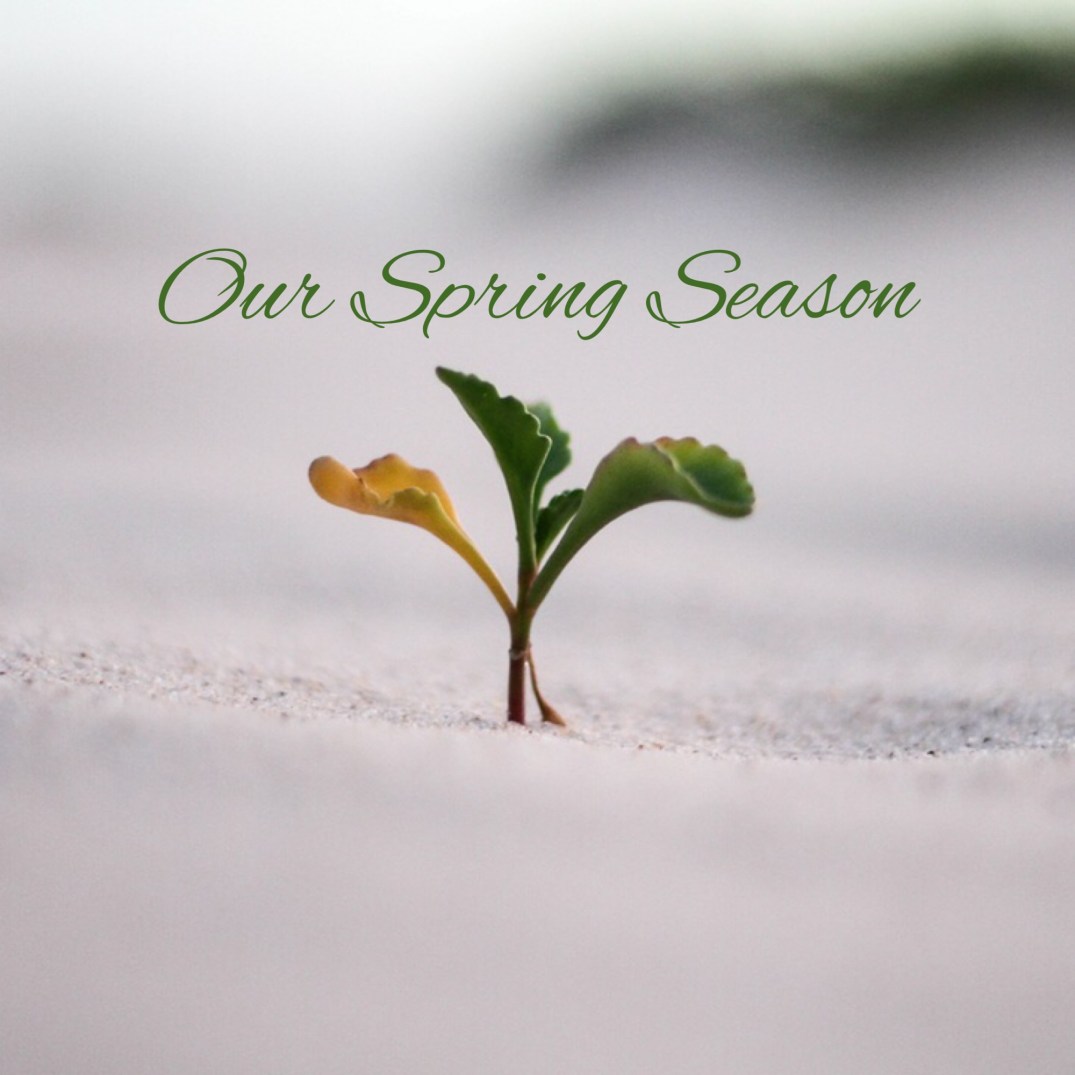
Our “Spring Season”
…consisting of education and growth
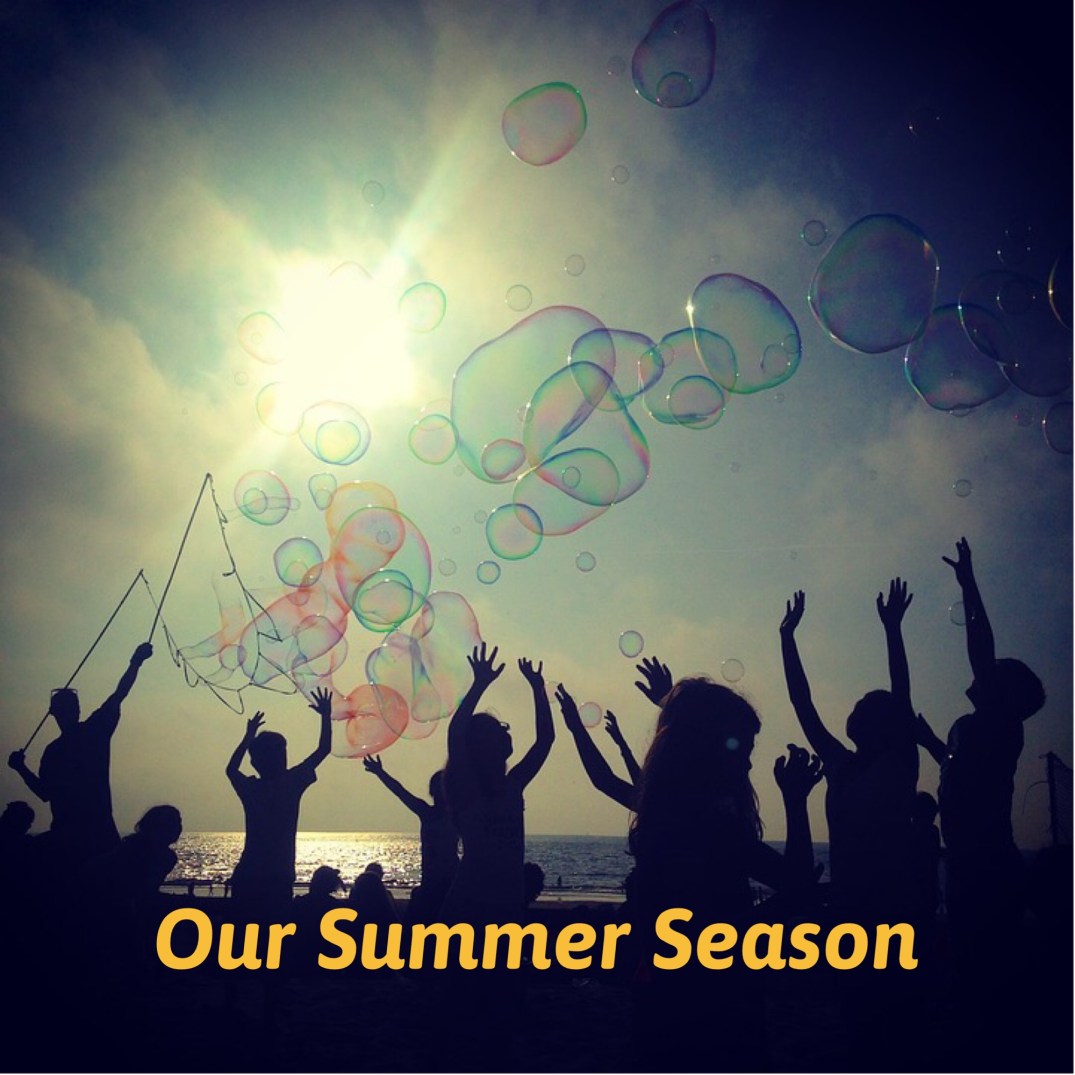
Our “Summer Season”
…carefree, enjoying life, sharing with others, family and friends
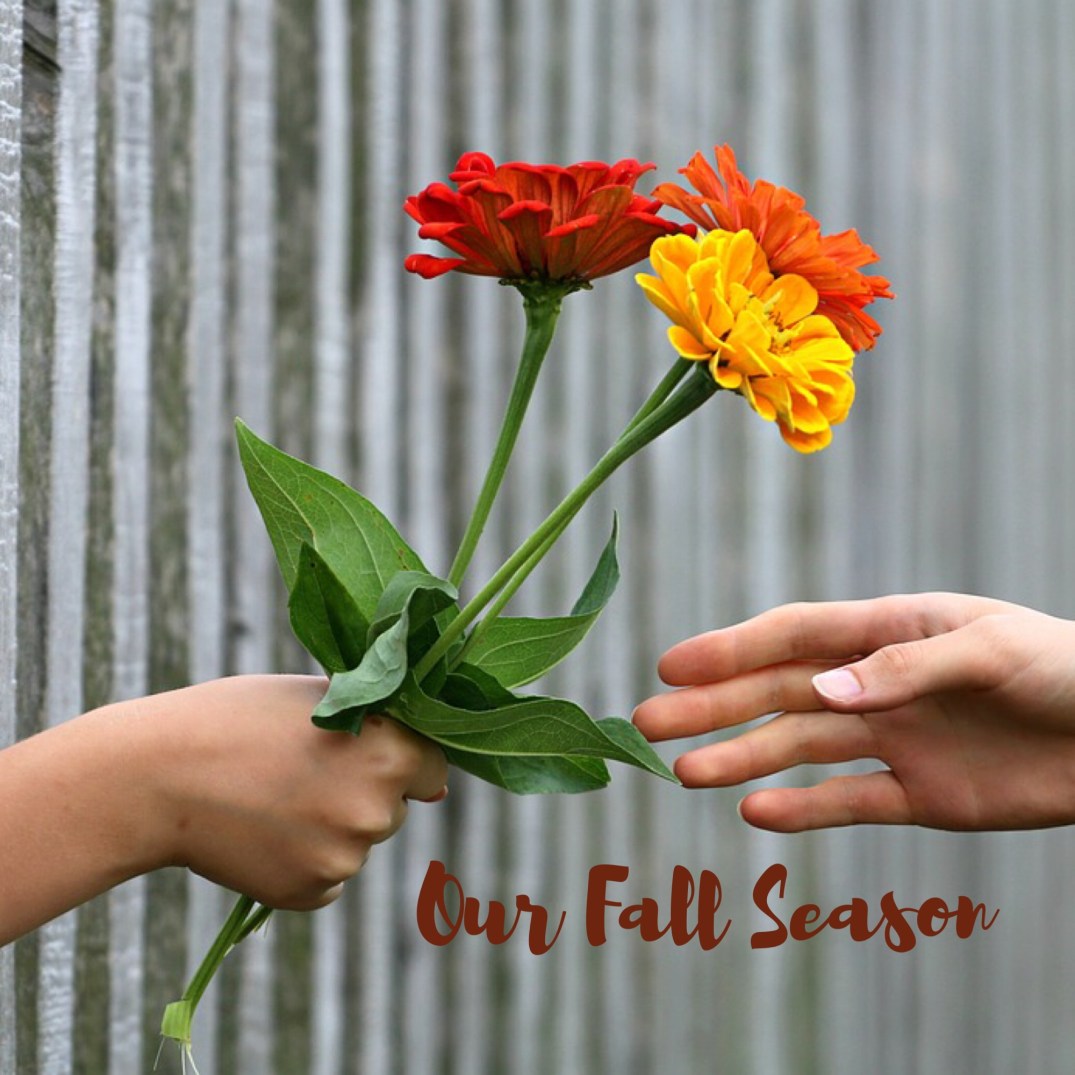
Our “Fall Season”
…helping others and giving back, the holidays are even an example of this season: Thanksgiving leading up to Christmas
It seems like we need to go through each season to arrive at the next, but if we stay stuck in one season too long and don’t experience the other seasons, it negatively affects us, or others, or both.
Throughout life we can’t avoid these “seasons”; and they ultimately help us. We may be in a certain season of life when others are in a different season and then it becomes hard to relate to one another during those times in different seasons.
Because of this, it’s important to think of others and try to understand what “season of life” they are in, to relate to them better, to have empathy, to be able to help others selflessly. For example, if we are in a “Winter Season” or “Spring Season” we may not be ready to help others; we need that time to focus on ourselves.
I believe it is important to take time to focus on getting ourselves in a “good” state before we can truly help others to the best of our abilities. And yes, there are exceptions, as in being a parent: we can’t just quit that job to focus on ourselves, so it’s not always going to be easy, but hopefully our family and friends will recognize that season when it happens and help us have that personal time when it’s needed in life. And similarly, we should help our family and friends when we see them in a certain season of life. It’s not always all about us! Living a full life with no regrets happens when we understand our own season in life: if we are in one season, there will be others that follow; always think forward to the positive and don’t regret where we are in life, because it’s just a phase, a season and there are more seasons to experience.
Enjoy life’s journey and be compassionate to others!
Personally, I’m not one to wait, “patience is a virtue” doesn’t come naturally to me; I’m all about taking action. As time progresses, I’ve acquired more “tolerance”(the best descriptive word to me) for patience, even though it’s not natural for me and a continual struggle.
EXPERIENCES
Not waiting has given me some amazing opportunities: ones I wasn’t fully ready for, but worked out. On the other hand, it’s also put me in bad situations. So what is the right choice waiting or not waiting?
In 2017, I’ve made some changes, and realized that I probably need to work on patience and waiting. For the first time ever, I searched “waiting” in the back of the Bible I bought and read the passages:
Waiting and patience are not natural to me, so this is a change I will try. Sometimes the application of what we read to our own lives is confusing…to me at least, but I’m trying! I already heavily booked my weekends through mid June, so I’m going to try to hold back now and slow down.
WAITING
I can see “both sides” of this:
A) Patience and waiting can bring good things, like the examples in the Bible
however, I’m also a strong believer in:
B) If you want something, you have to get off your butt and work for it, you can’t wait for it…
So which is it? Or does each one apply to different subjects? Or is this taking it out of context? Questions!!?
Pros
We get what we truly want; we don’t settle for something less.
Waiting means trusting in God’s timing; having faith…
it’s interesting that I bought this necklace awhile ago, maybe I was missing “a message” to me?
Cons
Experiencing patience: time feels like it’s slowed down, and not in a good way
Missing an opportunity (even though this is true, if we act on this, aren’t we are acting out of fear, which often leads to regret?)
Not taking action to achieve; Inaction – we aren’t using our time wisely if we wait? This is probably the one reason that I don’t often wait…
This past weekend’s message at The Crossing was about: suffering > perseverance > character > hope ….maybe this thought I woke up with, on waiting, is something I need to explore more? I don’t have the answers!